Motorbike Layered Design: A Practical Approach to Creative Workflow
Motorbike Layered Design is a concept that blends visual creativity with structured planning, offering a unique way to approach design tasks. This method involves breaking down complex projects into manageable layers, each contributing to the final outcome. Whether you're working on a digital illustration, a physical craft, or a business strategy, understanding how to apply Motorbike Layered Design can enhance your workflow and improve results.
This design approach is particularly useful for those who work with graphic design tools, crafting materials, or project management systems. It allows for greater flexibility, easier revisions, and more efficient collaboration. By organizing elements into distinct layers, you can focus on one aspect of a project at a time, ensuring clarity and precision in every step.
Understanding Motorbike Layered Design
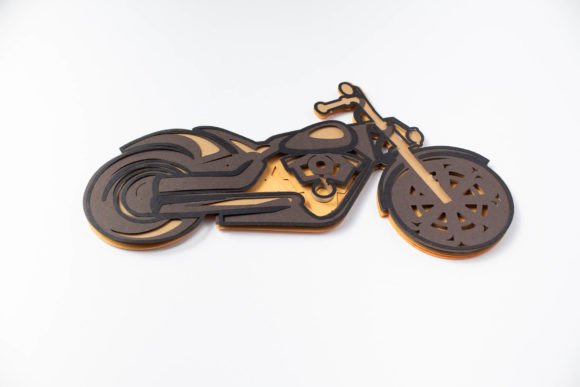
At its core, Motorbike Layered Design refers to the practice of separating different components of a design into individual layers. These layers can represent various elements such as background, foreground, text, and decorative details. In the context of digital design, this might mean using software like Adobe Illustrator or Photoshop to manage separate sections of a file. For physical crafts, it could involve using cardstock, paper, or other materials to build up a design in stages.
This method is especially beneficial when working on intricate projects that require multiple steps. It helps maintain organization, reduces errors, and makes it easier to make adjustments without disrupting the entire design. Whether you're creating a detailed illustration or assembling a handmade item, Motorbike Layered Design provides a clear framework for execution.
How Motorbike Layered Design Fits Into Your Workflow
Motorbike Layered Design can be integrated into various stages of a project, from initial planning to final execution. Before starting a task, consider how you can break down the work into layers. This preparation helps set the foundation for a smooth process and ensures that each part of the project is well thought out.
During the creation phase, using layered design techniques allows you to work on specific elements without affecting others. For example, if you're designing a promotional poster, you might create separate layers for the background, text, and graphics. This makes it easier to adjust colors, fonts, or layouts without losing progress on other parts of the design.
After completing a project, Motorbike Layered Design can also aid in review and refinement. By examining each layer individually, you can identify areas for improvement and make targeted changes. This approach supports continuous iteration and helps maintain high-quality standards.
Using Motorbike Layered Design in Different Contexts
The versatility of Motorbike Layered Design makes it applicable across a wide range of activities. In creative fields such as graphic design, illustration, or digital art, this method supports efficient workflow and precise execution. For hobbyists and crafters, it offers a structured way to build complex projects, such as scrapbooking, card making, or model building.
In a business setting, Motorbike Layered Design can be used to plan marketing campaigns, develop product designs, or organize content strategies. By breaking down large initiatives into smaller, manageable parts, teams can collaborate more effectively and track progress with greater clarity.
For educators and students, this approach can help in teaching design principles, project management, or even scientific visualization. It encourages critical thinking and attention to detail, which are valuable skills in any learning environment.
Integration With Other Tools and Resources
Motorbike Layered Design works well with a variety of tools and resources. Digital design software like Adobe Illustrator, Photoshop, or Procreate offers built-in layering capabilities that support this method. For physical crafts, tools such as cutting machines, printers, or hand tools can be used to implement layered techniques effectively.
When working with materials like Encore Cardstock 80 lb cover 216 gsm, the quality and consistency of the base material play a crucial role in the success of a layered design. High-quality cardstock ensures that each layer adheres properly and maintains its integrity throughout the process. This is especially important for projects that require multiple layers, such as 3D cards or intricate paper crafts.
Additionally, having access to detailed instructions, such as those included in a downloadable PDF, can greatly enhance the effectiveness of Motorbike Layered Design. Clear guidelines help users understand how to assemble and arrange layers, reducing confusion and improving the overall outcome.
Practical Implementation Tips
To successfully implement Motorbike Layered Design, start by defining the purpose of each layer. Ask yourself what each section contributes to the final result and how it interacts with other elements. This clarity will guide your decisions and ensure that every layer serves a meaningful function.
Organize your files or materials systematically. In digital design, name your layers clearly and group related elements together. For physical crafts, keep your supplies sorted and labeled so you can access them easily during the process. This level of organization saves time and reduces frustration.
Test your design at different stages to ensure that each layer works as intended. For digital projects, use preview functions to check how elements interact. For physical crafts, create mockups or prototypes to evaluate the final appearance before committing to the final version.
Workflow Examples and Observations
Consider a scenario where you're designing a custom greeting card. Using Motorbike Layered Design, you might create separate layers for the background, main image, text, and embellishments. This allows you to adjust each element independently, ensuring that the final design is cohesive and visually appealing.
Another example could be a digital marketing campaign. By breaking down the campaign into layers—such as visuals, copy, and layout—you can refine each component without affecting the others. This method supports efficient collaboration among team members and streamlines the approval process.
Observing how different projects benefit from Motorbike Layered Design can provide insights into its value. Whether you're working on a personal craft or a professional assignment, the ability to manage complexity through layering enhances productivity and quality.
Factors to Consider When Using Motorbike Layered Design
Preparation is key when implementing Motorbike Layered Design. Take time to plan your layers, gather necessary materials, and set up your workspace. This proactive approach minimizes delays and ensures a smoother process.
Compatibility between tools and materials is also important. Ensure that the software or hardware you're using supports layered design and that your materials are suitable for the intended application. For instance, using the right type of cardstock can prevent issues like tearing or misalignment during assembly.
Usability and efficiency should be prioritized throughout the process. Avoid overcomplicating your layers, as this can lead to confusion and inefficiency. Keep your design simple and focused, allowing for easy navigation and adjustments.
Long-Term Use and Consistency
Maintaining consistency in your Motorbike Layered Design approach can lead to long-term benefits. Establishing a standard workflow for layering helps streamline future projects and reduces the learning curve for new tasks. This consistency also supports quality control, ensuring that each project meets your desired standards.
Regularly reviewing and refining your methods can further enhance the effectiveness of Motorbike Layered Design. As you gain experience, you may discover new techniques or tools that improve your process. Staying open to these improvements keeps your workflow dynamic and adaptable.