Workforce Planning in Abstract Style
Workforce planning in abstract style offers a unique way to visualize and conceptualize the complex processes involved in managing an organization’s human resources. This approach uses creative and symbolic representations to communicate workforce strategies, making it easier for stakeholders to grasp key ideas and align with organizational goals.
By integrating abstract visuals, such as 3D icons and process charts, workforce planning becomes more engaging and accessible. These elements help break down traditional data into digestible formats that can be understood by both technical and non-technical audiences.
Understanding Workforce Planning in Abstract Style
Workforce planning in abstract style is not just about aesthetics; it’s a strategic tool that enhances communication and decision-making. This method allows organizations to present workforce data in a way that emphasizes patterns, relationships, and trends without relying solely on numbers and spreadsheets.
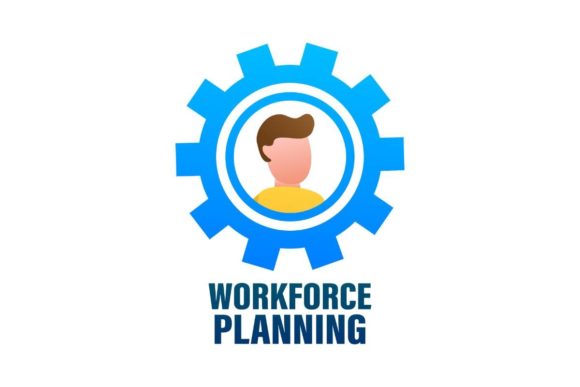
One of the primary benefits of this approach is its ability to simplify complex concepts. For instance, a 3D icon representing workforce planning might symbolize growth, stability, or change, depending on the context. This visual metaphor helps teams quickly understand the underlying message without getting lost in details.
Additionally, abstract styles can be tailored to reflect the specific needs of different industries. Whether it’s healthcare, technology, or manufacturing, the visual representation of workforce planning can adapt to match the unique challenges and opportunities within each sector.
The Role of Process Charts in Workforce Planning
Process charts play a crucial role in workforce planning in abstract style. These charts provide a structured overview of how workforce strategies are developed, implemented, and evaluated. By using abstract designs, they can highlight key stages such as recruitment, training, performance management, and succession planning.
A well-designed process chart can serve as a roadmap for HR professionals, helping them identify gaps, optimize resources, and improve efficiency. It also facilitates collaboration between departments by offering a common visual language that everyone can understand.
For example, a 3D icon might represent a team member, while lines connecting the icons could indicate workflows or communication channels. This kind of visualization makes it easier to see how different roles interact and contribute to overall business objectives.
Benefits of Using 3D Icons in Workforce Planning
3D icons add depth and dimension to the concept of workforce planning in abstract style. They make the information more dynamic and visually appealing, which can increase engagement and retention among users.
These icons are particularly useful when presenting workforce planning concepts to clients, investors, or internal stakeholders. A 3D icon that represents workforce planning can convey the idea of growth, innovation, or transformation, depending on the design and color scheme used.
Moreover, 3D icons can be integrated into digital platforms, presentations, and marketing materials, providing a consistent and professional look across all channels. This consistency reinforces brand identity and ensures that the message remains clear and cohesive.
What You Get: High-Quality Visual Assets
When you choose workforce planning in abstract style, you gain access to high-quality visual assets that enhance your communication efforts. These include JPG files at 300 dpi and 3000 pixels, ensuring clarity and professionalism in any format.
In addition to JPGs, you receive an EPS file that is fully editable. This allows designers and developers to customize the visuals according to their specific needs, whether it’s for a website, presentation, or printed material.
The combination of these files provides flexibility and scalability, making it easy to adapt the visuals for different platforms and purposes. Whether you’re creating a digital dashboard or a physical brochure, the assets ensure that your message is delivered effectively.
Applying Workforce Planning in Abstract Style to Modern Workflows
Modern workflows often require quick decisions and clear communication. Workforce planning in abstract style supports this by offering a visual framework that simplifies complex processes. This is especially valuable in fast-paced environments where time is a critical factor.
For instance, in project management, abstract visuals can help teams understand how workforce planning aligns with project timelines and resource availability. This clarity reduces misunderstandings and ensures that everyone is working toward the same goals.
Similarly, in remote work settings, abstract representations of workforce planning can bridge the gap between team members who may not have face-to-face interactions. Visual aids make it easier to share insights, track progress, and maintain alignment across distributed teams.
Considerations When Choosing Workforce Planning in Abstract Style
Before adopting workforce planning in abstract style, it’s important to consider the audience and the purpose of the visuals. Different industries and teams may have varying levels of familiarity with abstract concepts, so the design should be tailored accordingly.
Another consideration is the balance between creativity and clarity. While abstract visuals can be visually striking, they must still convey meaningful information. The goal is to strike a balance between artistic expression and practical communication.
Additionally, organizations should evaluate the tools and resources available for creating and maintaining these visuals. Investing in quality design software and skilled professionals can ensure that the final product meets the desired standards and objectives.
Recommendations for Effective Use
To get the most out of workforce planning in abstract style, start by identifying the key messages you want to communicate. Focus on the core aspects of workforce planning that are most relevant to your audience, and use abstract visuals to reinforce those points.
Collaborate with designers who have experience in creating visual content for HR and business strategy. Their expertise can help ensure that the final product is both aesthetically pleasing and functionally effective.
Finally, test the visuals with a small group of users to gather feedback. This can help identify any areas that need refinement and ensure that the final output resonates with the intended audience.